
Singapore Method
The teaching of mathematics is a constant challenge for our educational institution, and through it we pursue the following objectives:
Enrich the understanding of reality, facilitate the selection of strategies to solve problems and contribute to the development of critical and autonomous thinking in our students.
Mathematics, from the perspective of the Singapore method, is initially conceived as a tool, mathematics is seen as a skill at the service of people to solve problems. The method is committed to a form of teaching that makes sense to children, incorporating error as part of the teaching-learning process and promoting Metacognition, a process in which we become aware of what we are learning.
Having the ability to solve problems is an indispensable competence of the twenty-first century and the area of mathematics as a vector of change focused on teaching it through this methodology. In its constant process of continuous improvement, Colegio Lirima, as of 2016, has incorporated the Singapore method, generating a positive impact in the curricular, academic and methodological area of our Institution that little by little is incorporated in all areas of learning.
The teaching of the Singapore method begins in the Infant cycle from Pre-Kindergarten, continues throughout the Junior cycle and culminates in the Senior cycle in 8 basic. Why and what happens next?
With this method, which requires significant training for our staff and training for our students, we promote the development of higher thoughts. We enable our students to process information from reality and deepen their understanding of it and the concepts learned.
The components of the Singapore Method curriculum:
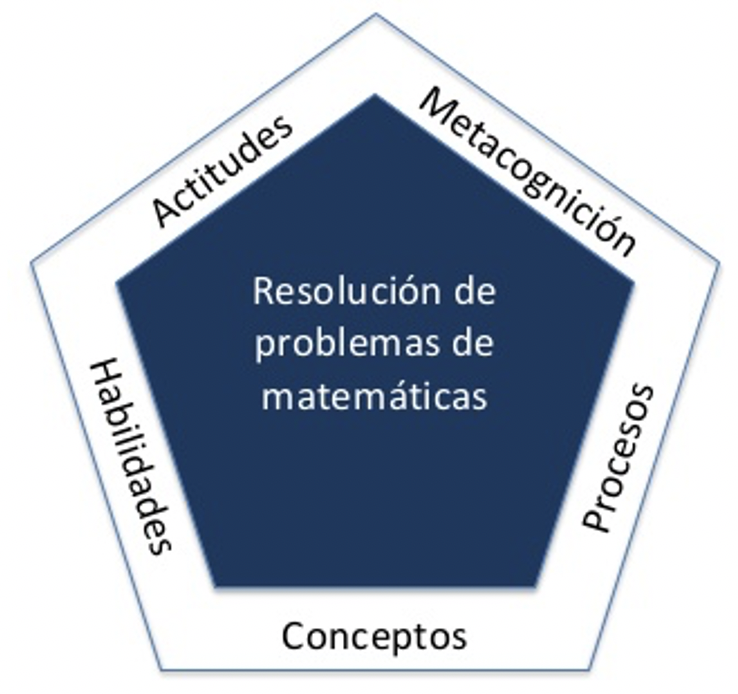
Based on these principles, the teaching of the Singapore method follows a three steps path:
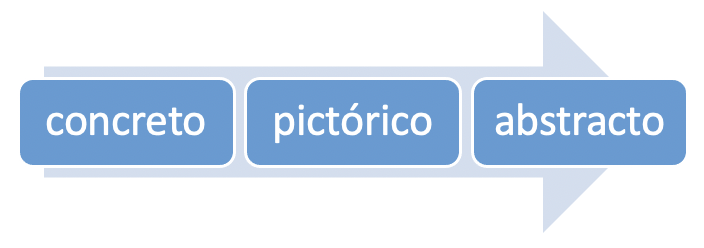
- It begins with the concrete, with the use of materials and exercises that allow students to become familiar with mathematical concepts from everyday life.
- Second, the visual representation of the problem is encouraged, through drawings or another form of representation. The students develop an organized and analytical vision of the situation they are studying and that they have built from the concrete.
- Finally, the teaching moves from a graphical representation to an abstract mathematical one.
The curriculum of the Singapore method has a spiral conception. There are various opportunities to learn the same content or develop a skill, but not by repeating the same, but having repeated opportunities to solve problems that involve similar content or skills.